How to Clean Gemstone Jewellery: A Stone-by-Stone Guide
“Every gemstone has its own cleaning rules. Learn the safe universal method, which stones fear heat and water, and when to skip the ultrasonic cleaner.”
AI-generated illustration; not a Shewah product or a scale measurement.
SHEWAH Editorial Concept Illustration (Non-Catalogue)
Diamonds forgive almost anything. Your coloured gems do not. Each gemstone family has its own tolerances for heat, light, water and vibration, and the difference between a lifetime of sparkle and a dulled, damaged stone is usually one cleaning habit. Here is how to clean gemstone jewellery properly, stone by stone.
The universal safe method
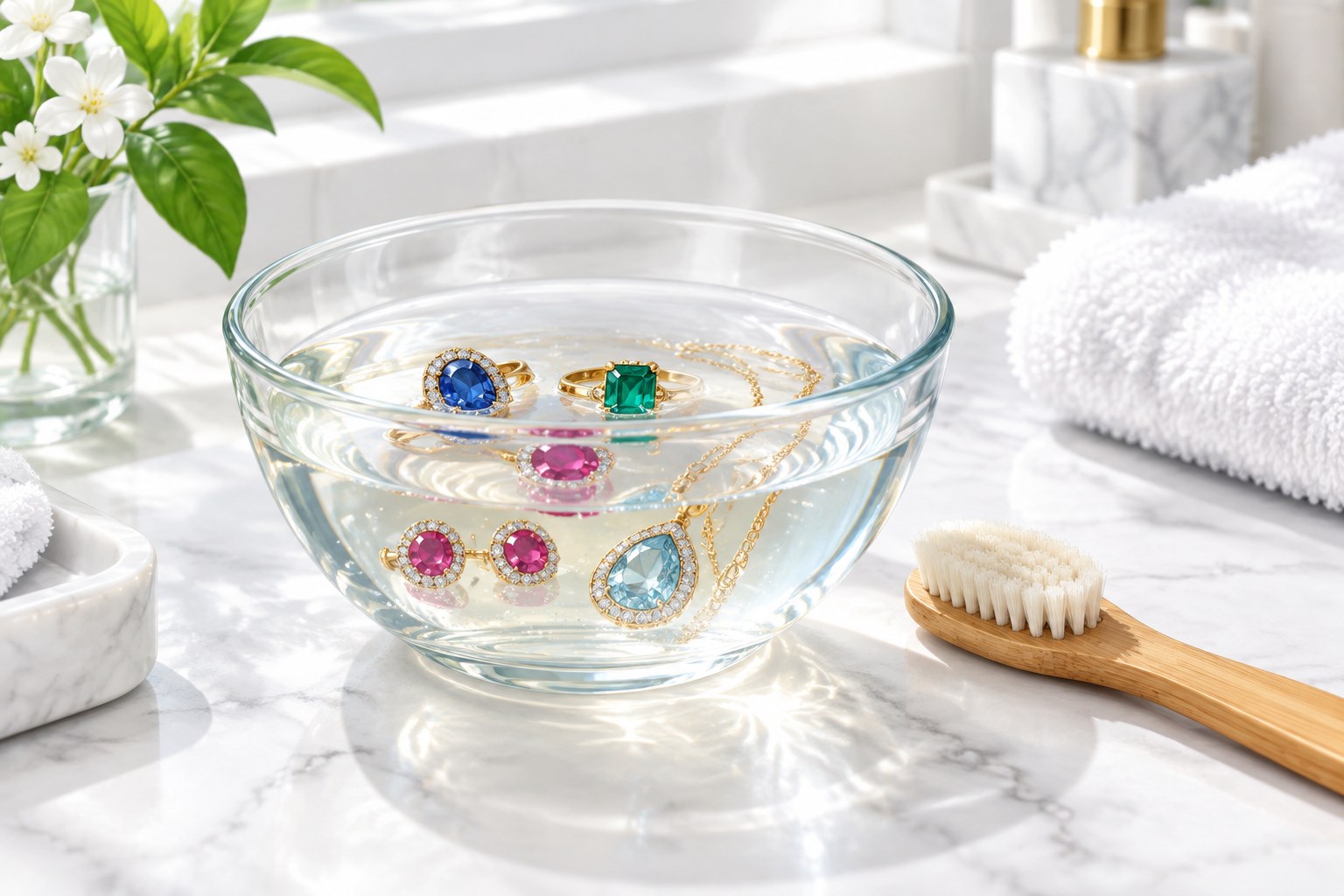
For the great majority of coloured gems, the safest clean is also the simplest: warm water, a drop of mild detergent, and a very soft brush, followed by a rinse and a gentle pat dry. Sapphire, ruby, spinel, garnet, aquamarine and topaz all respond well to this routine. Do it over a bowl, never an open drain, and let the piece dry fully before it goes back in the box.
Stones that fear heat and light
Several popular gems owe their colour to treatments that heat and strong light can undo. Amethyst, aquamarine and citrine can fade with high temperatures; kunzite's lavender fades in sunlight, earning it the nickname night stone; tanzanite's blue comes from heat treatment and dislikes both heat and vibration. For all of these, lukewarm rather than hot water, no steam, and storage away from sunny windowsills.
Porous and organic gems
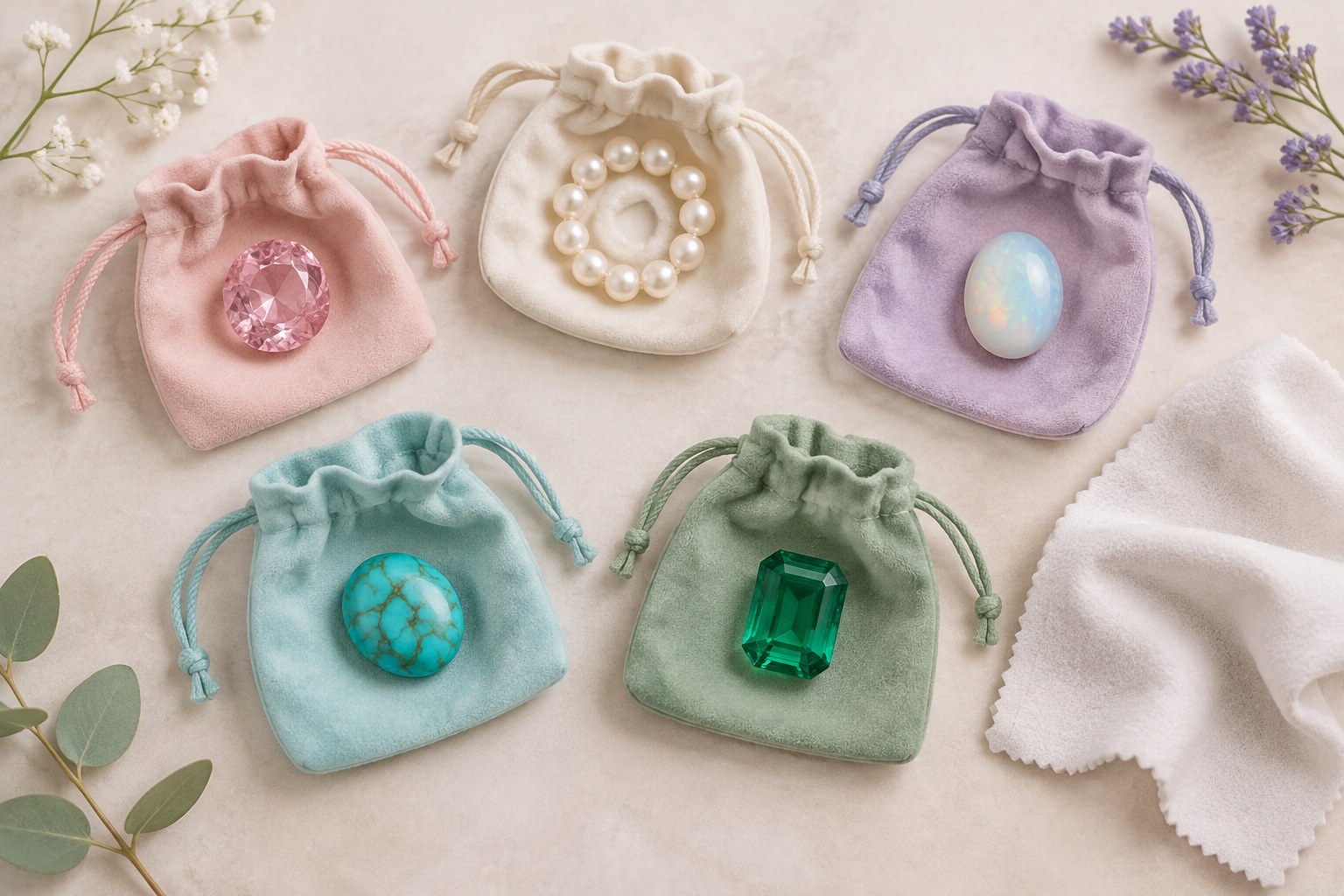
Pearls, turquoise, coral and opals live by different rules. Pearls should be wiped with a damp, soft cloth and never soaked: moisture trapped in drill holes discolours them, and chemicals attack their nacre. Turquoise is porous enough that soap and detergents penetrate the stone and can turn it an unattractive off-colour, so a damp cloth wipe and immediate drying is the whole routine. Opals fear thermal shock, which causes surface crazing; clean them gently at room temperature and never let them dry out completely.
AI-generated illustration; not a Shewah product or a scale measurement.
SHEWAH Editorial Concept Illustration (Non-Catalogue)
A note on diamonds set with coloured gems
If a piece mixes diamonds with softer companions, clean to the most delicate stone in the setting. The ammonia-based cleaner your diamond would shrug off can strip the oil from an emerald or cloud a pearl beside it.
When to skip the ultrasonic
Ultrasonic and steam cleaners are brilliant for the right stones and brutal for the wrong ones. Most emeralds are oiled to improve their clarity, and mechanical cleaning can boil that oil out or exploit existing fractures. Topaz cleaves easily under vibration. Tanzanite, heavily included stones of any kind, and all the porous and organic gems above should stay well away from these machines. When in doubt, the bowl and soft brush win.
Drying and storage matter as much
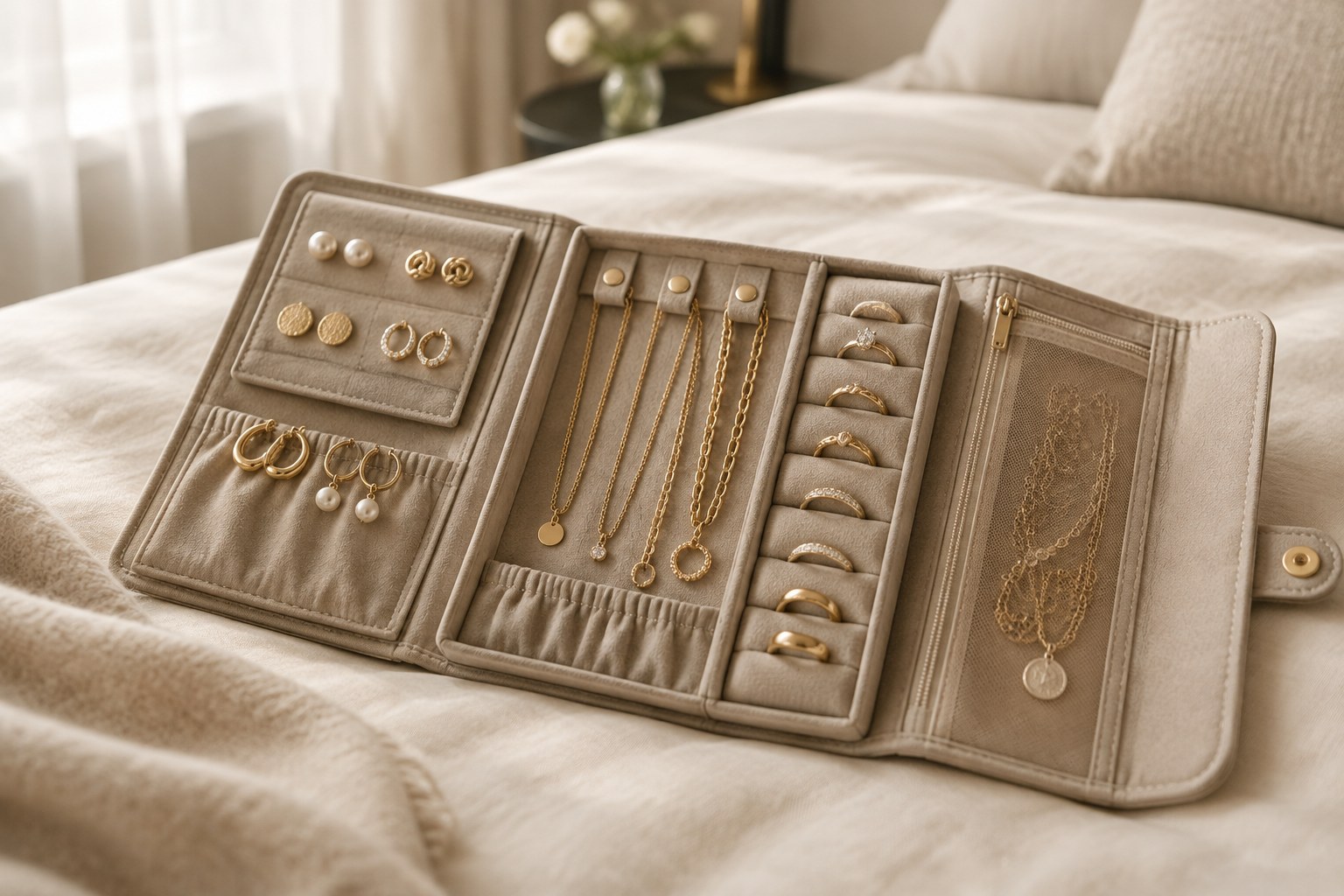
Most cleaning damage actually happens after the wash. Trapped moisture tarnishes metal, spots stones and loosens glued settings, so dry every piece completely with a soft, lint-free cloth and let it air before boxing. Store gems individually in soft pouches or a lined box with dividers; a diamond ring tossed in with pearls will scratch every one of them. And put pearls on last, after perfume and hairspray, since cosmetics dull their lustre.
A two-minute monthly ritual
Once a month, give each piece a brief check: loose prongs, worn clasps, grit lodged under settings. Clean with the bowl method, dry thoroughly, and store each piece separately so harder stones cannot scratch softer ones. Five minutes of attention is what separates jewellery that ages from jewellery that endures.
Care for your gems with Shewah
Every Shewah piece comes with honest, stone-specific care guidance, and we are always a message away if you are unsure. Our solid gold and certified lab-grown diamond pieces are made to order in Surat and shipped to the US, UK and Australia. Explore Shewah's jewellery or message us on WhatsApp at +91 96622 66360.
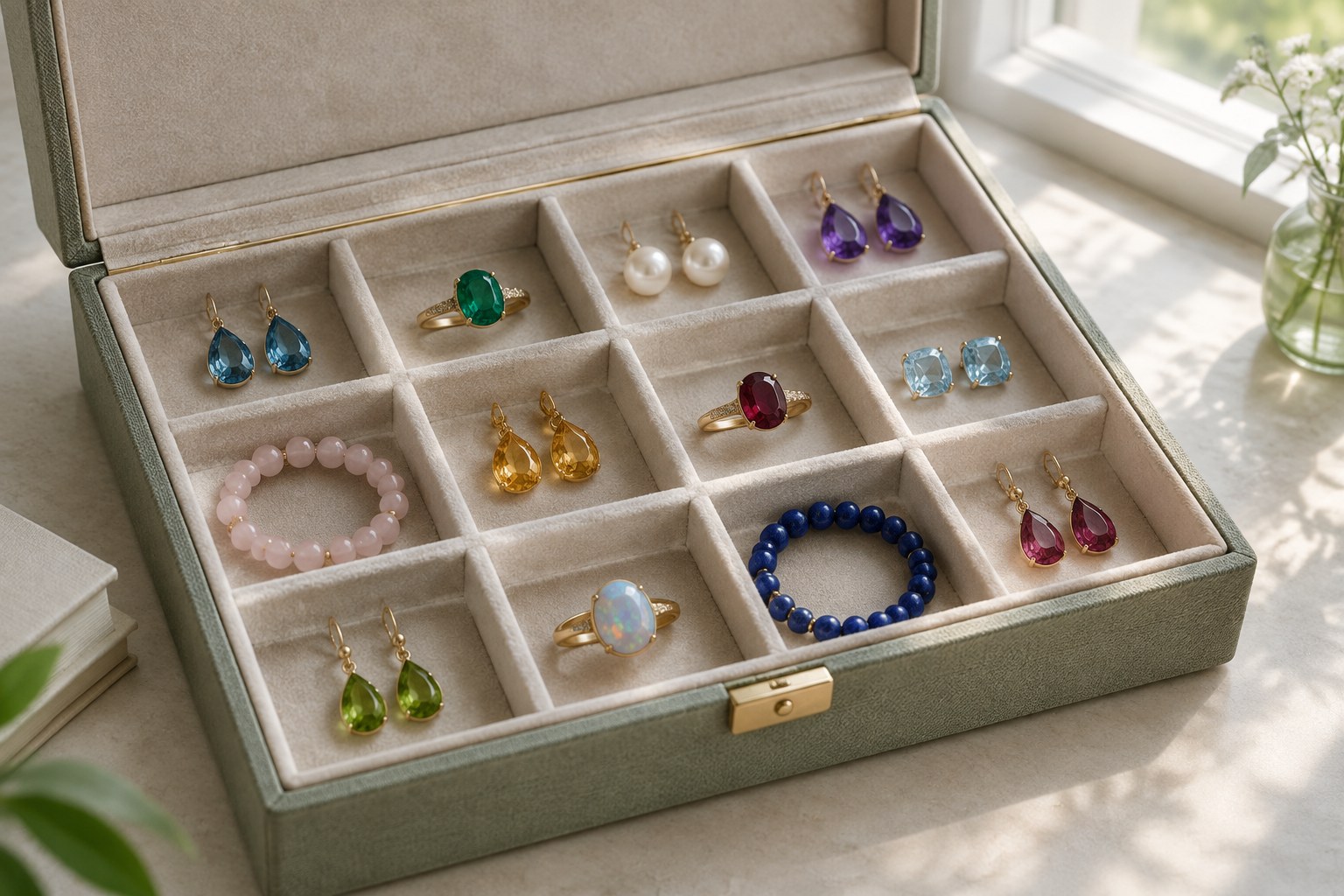
AI-generated illustration; not a Shewah product or a scale measurement.
SHEWAH Editorial Concept Illustration (Non-Catalogue)
Sources
- Gemstone Care Guide - International Gem Society
- Opal and Pearl Care Guide - International Gem Society
The Maison Shewah Atelier Standard
Every creation referenced across our journal essays is made individually to order using solid 18K gold and independently certified diamonds (IGI & GIA). We uphold complete material transparency and zero synthetic plating.
Research & Gemological References
- [1]Gemstone Care Guide — International Gem Society (Verified: 2026-10-20)
- [2]Opal and Pearl Care Guide — International Gem Society (Verified: 2026-10-20)