How to Clean a Diamond Ring at Home, Safely
“Diamonds dull quickly from skin oil and soap film. The safe weekly cleaning routine, what never to use, metal-specific notes and when to see a professional.”

AI-generated illustration; not a Shewah product or a scale measurement.
SHEWAH Editorial Concept Illustration (Non-Catalogue)
Diamonds are the hardest natural material on Earth, yet a diamond loses its sparkle remarkably fast. Skin oil, soap film, lotion and everyday dust settle on the surface and block the light the stone needs to perform. Shampoo, hairspray and cooking oils all leave a cloudy sheen over time.
The good news: safe cleaning at home is simple, cheap and quick. Here is exactly how to do it, and what to never do.
The weekly deep-clean
The Knot's care experts recommend cleaning your diamond ring at home every week, and the method is gentle:
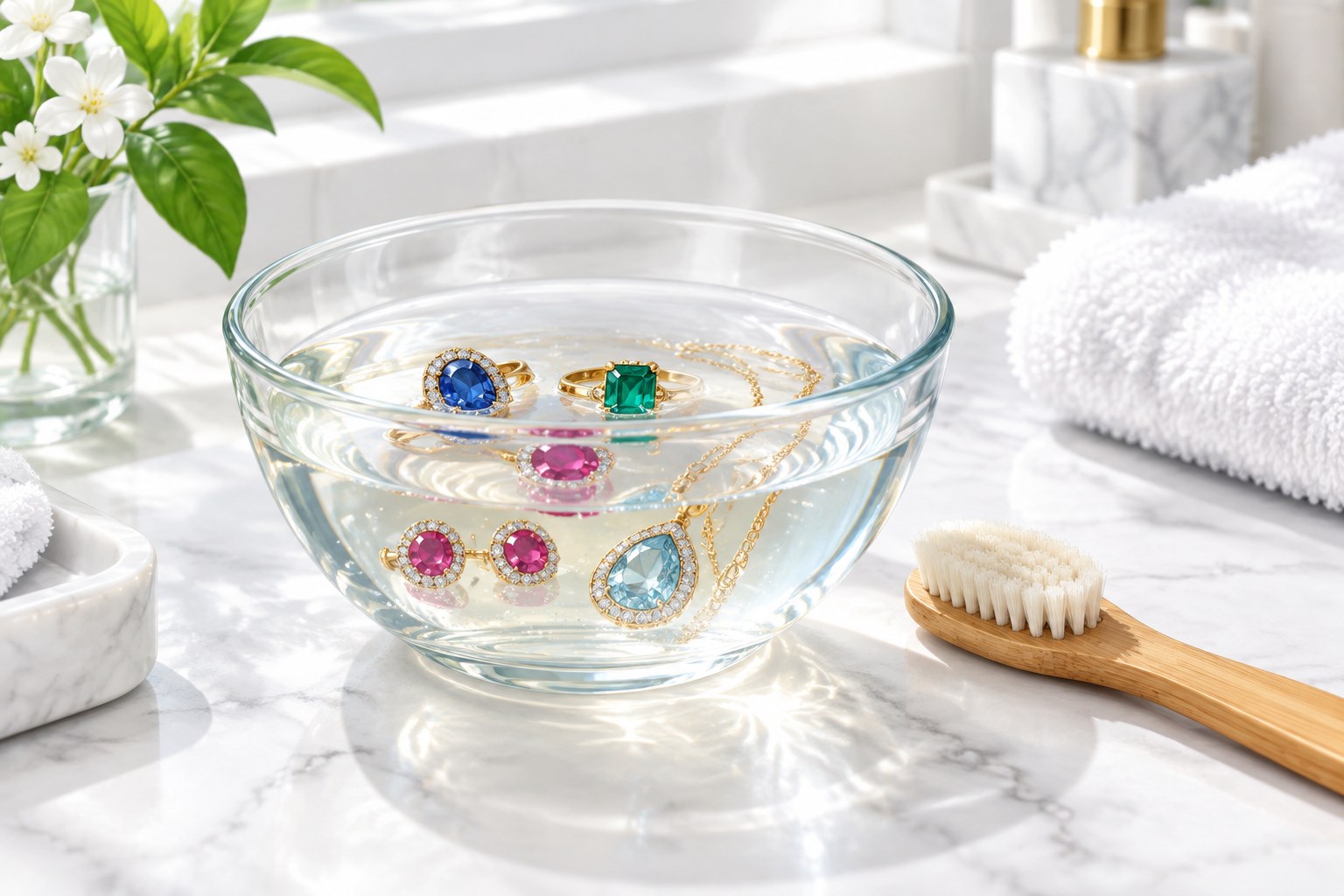
- Fill a bowl with warm water and a little gentle dishwashing soap.
- Soak the ring for 20 to 40 minutes. Longer soaking only helps.
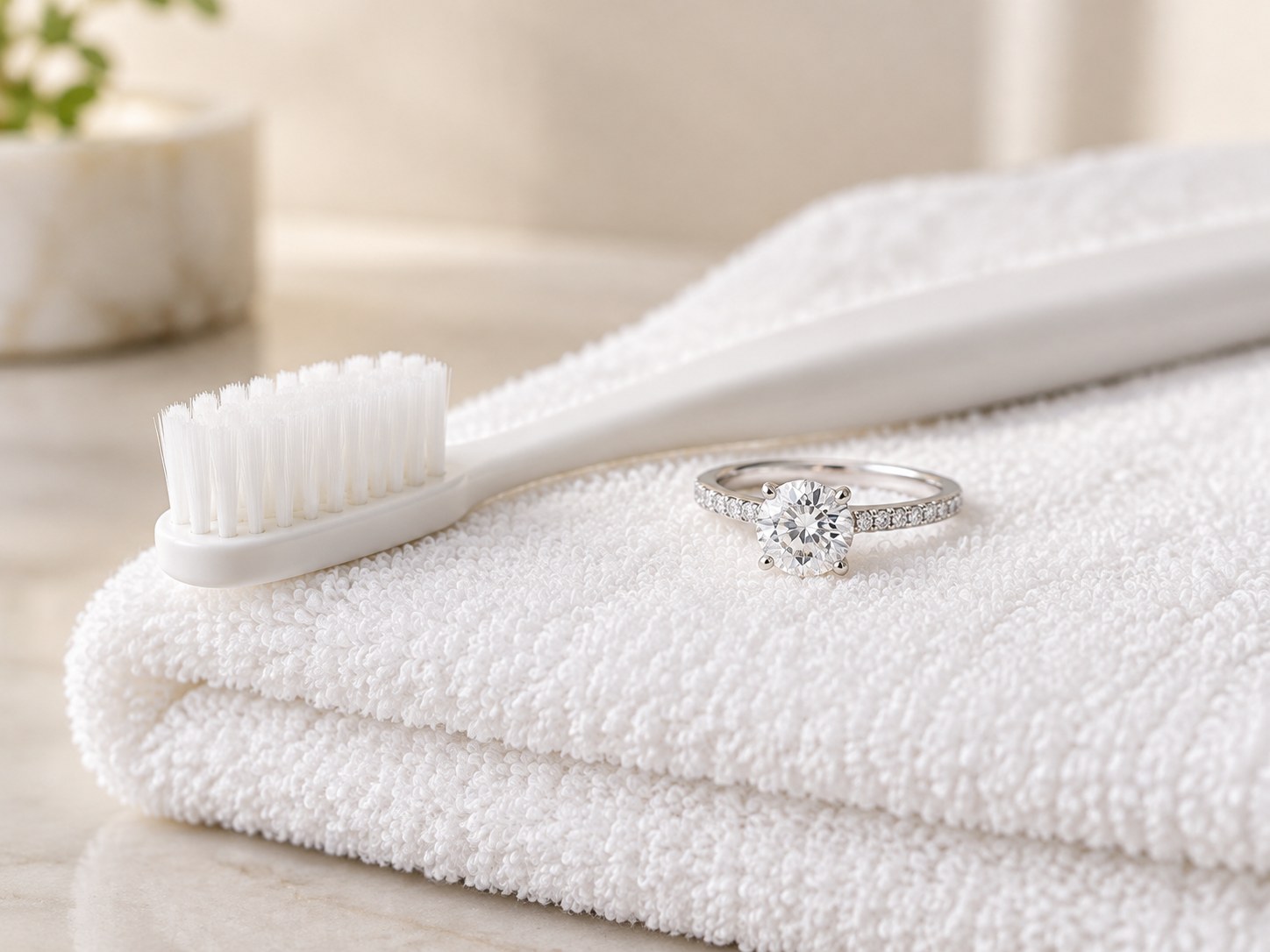
- Brush gently with a soft-bristled toothbrush kept only for this job, including the back of the stone, where oil and dirt collect most.
- Rinse thoroughly under warm running water, and repeat if needed.
- Dry with a soft, lint-free cloth.
Careful, regular cleaning like this will not damage the ring. Little and often beats occasional aggressive scrubbing.
Everyday habits that keep the sparkle longer
- Last on, first off. Put your ring on after lotion, perfume and hairspray, and take it off first at night.
- Remove it for gym sessions, gardening, swimming and cleaning with chemicals.
- Handle it by the band, not the stone, when putting it on and taking it off.
What never to use on a diamond ring
Both The Knot and GIA's care guidance warn against harsh products. Never clean diamond jewellery with:
- Bleach, chlorine, ammonia or acetone. Chemicals like these can break down the metal in the band.
- Abrasives, including toothpaste and powdered cleansers. They scratch and erode metals, can discolour the ring, and may loosen prongs over time.
- Hard-bristled brushes or scrub pads. They can scratch the setting, especially on gold bands.
The stone itself may survive harsh treatment; the setting holding it often does not.
AI-generated illustration; not a Shewah product or a scale measurement.
SHEWAH Editorial Concept Illustration (Non-Catalogue)
Sink safety
Clean jewellery over a bowl on a table rather than at the sink where possible. If you must work near a sink, plug the drain first. A dropped ring against a hard basin can chip, and an open drain ends the story entirely.
Metal-specific notes
- White gold often carries a rhodium plating that is more delicate than the metal beneath. Stick to the warm water and dish soap method and avoid harsh chemicals entirely.
- Yellow and rose gold do well with the same gentle routine.
- Platinum is highly durable; the dish-soap soak is still the safest default.
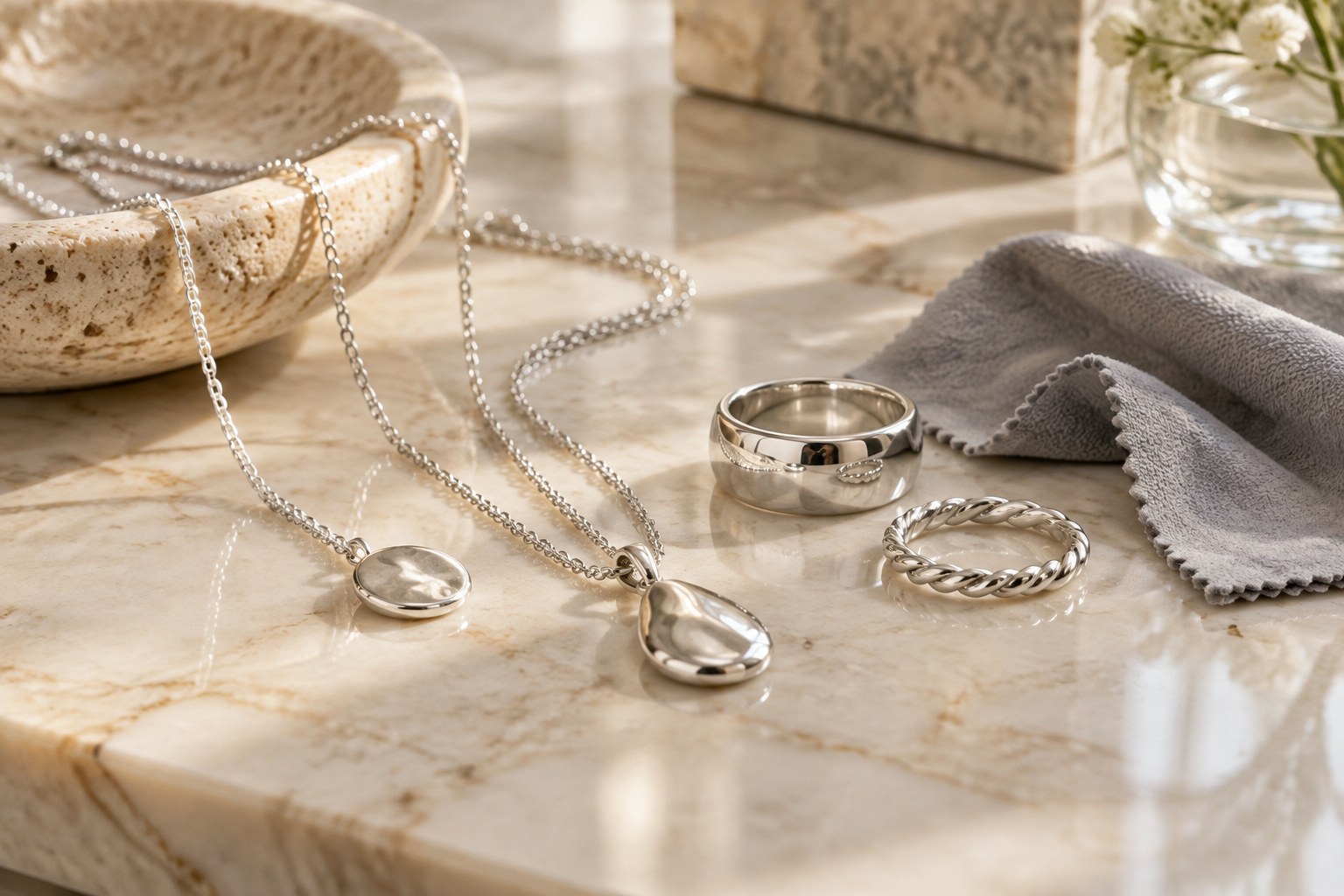
- Silver tarnishes, which is different from dirt. The Knot notes the traditional fix: a soak in half a cup of white vinegar with two tablespoons of baking soda for two to three hours, then a cold-water rinse and thorough drying. A silver polishing cloth handles light tarnish.
Settings and professional checks
A few situations call for more care, not more scrubbing:
- Fragile or older settings may not respond well to a toothbrush. Use a soft touch.
- A stone that moves is not a cleaning problem; it is a repair problem. Stop wearing the ring and have the setting checked before the stone is lost.
- Professional cleaning is worth arranging about twice a year. Trained jewellers use steam or ultrasonic equipment that reaches under the setting, and they can tighten prongs and inspect the piece while it is with them. GIA's care guidance treats ultrasonic and steam cleaning as professional work, so leave those machines to a jeweller rather than buying a home unit.
Frequently asked questions
How often should I clean my diamond ring?
Weekly at home, with a professional clean roughly every six months. Daily-wear rings pick up oil constantly, so little and often works best.
Is toothpaste a good diamond cleaner?
No. It is abrasive, and abrasives damage the metal of the setting. Skip it.
Can I use an ultrasonic cleaner at home?
GIA's care guidance points to professional use. Fragile settings, loose stones and some other gemstones can be damaged in an ultrasonic bath, so have a jeweller assess and clean the piece instead.
Will hand sanitiser damage my ring?
It will not harm the diamond, but frequent exposure leaves a film that dulls sparkle. Clean a little more often if you use it regularly.
Care for your Shewah jewellery
Every Shewah piece leaves our workshop finished to sparkle, and we are happy to advise on care, inspection and repolishing for anything you own.
Explore Shewah's jewellery, or contact us on WhatsApp at +91 96622 66360 with your care and cleaning questions.
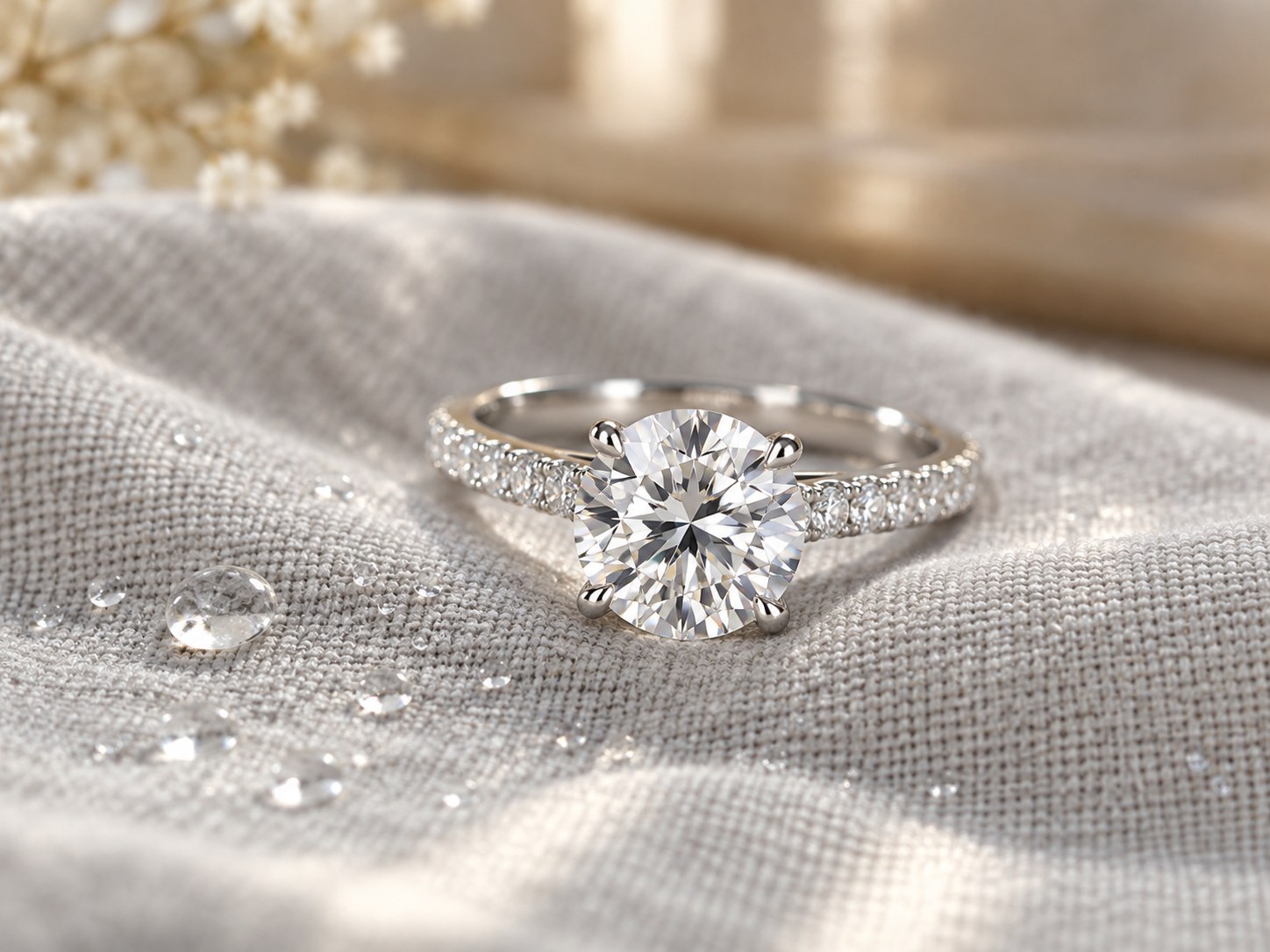
AI-generated illustration; not a Shewah product or a scale measurement.
SHEWAH Editorial Concept Illustration (Non-Catalogue)
Sources
The Maison Shewah Atelier Standard
Every creation referenced across our journal essays is made individually to order using solid 18K gold and independently certified diamonds (IGI & GIA). We uphold complete material transparency and zero synthetic plating.
Research & Gemological References
- [1]How to clean your diamond ring at home, according to experts — The Knot (Verified: 2026-10-13)
- [2]Diamond care and cleaning guide — GIA (Verified: 2026-10-13)