Fine vs Demi-Fine vs Costume Jewellery: What the Labels Actually Mean
“The labels appear on every product page; few shoppers could define them. Materials, construction and the questions that end the confusion.”
AI-generated illustration; not a Shewah product or a scale measurement.
SHEWAH Editorial Concept Illustration (Non-Catalogue)
Fine, demi-fine, fashion, costume - jewellery's category labels appear on every product page, yet few shoppers could define where one ends and the next begins. The distinctions are real, they determine how a piece wears and lasts, and once you know them you will never be mis-sold again.
Fine jewellery: the real thing
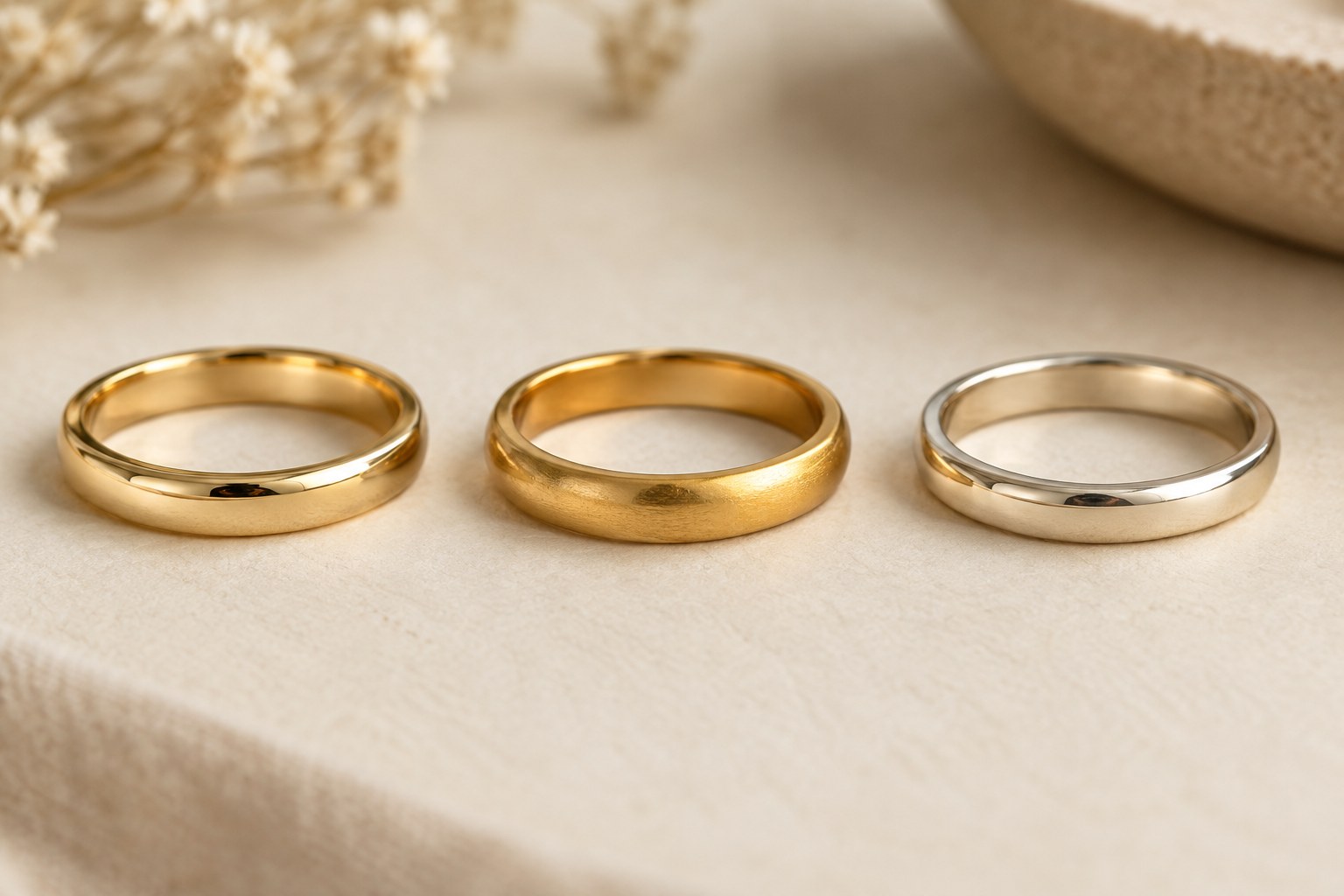
Fine jewellery is defined by materials: solid precious metals - gold (typically 9k to 22k), platinum - and genuine gemstones, whether natural or lab-grown. Nothing about it is plated, glued or simulated. Because the materials carry intrinsic value, fine pieces can be repaired, resized, re-polished and insured; they are built to be worn for decades and handed on. This is the category of engagement rings, tennis bracelets and certified stones - and the only tier where pieces can genuinely appreciate in meaning as heirlooms.
Demi-fine: the considered middle
Demi-fine is the newest label and the least standardised, but the trade uses it fairly consistently: precious materials at accessible points, usually gold vermeil (a thick gold layer over sterling silver), gold-filled construction, or solid lower-carat gold, set with genuine semi-precious stones or small diamonds. The stones are real, the base is honest, but the construction is lighter than fine. Demi-fine fills the gap between fast fashion and fine - ideal for trend-led pieces you love now but will not necessarily wear at 70. Because definitions vary, always check what the metal actually is: "demi-fine" on the label, "gold vermeil 2.5 microns over sterling" in the specifications.
Costume and fashion jewellery: the design-first tier
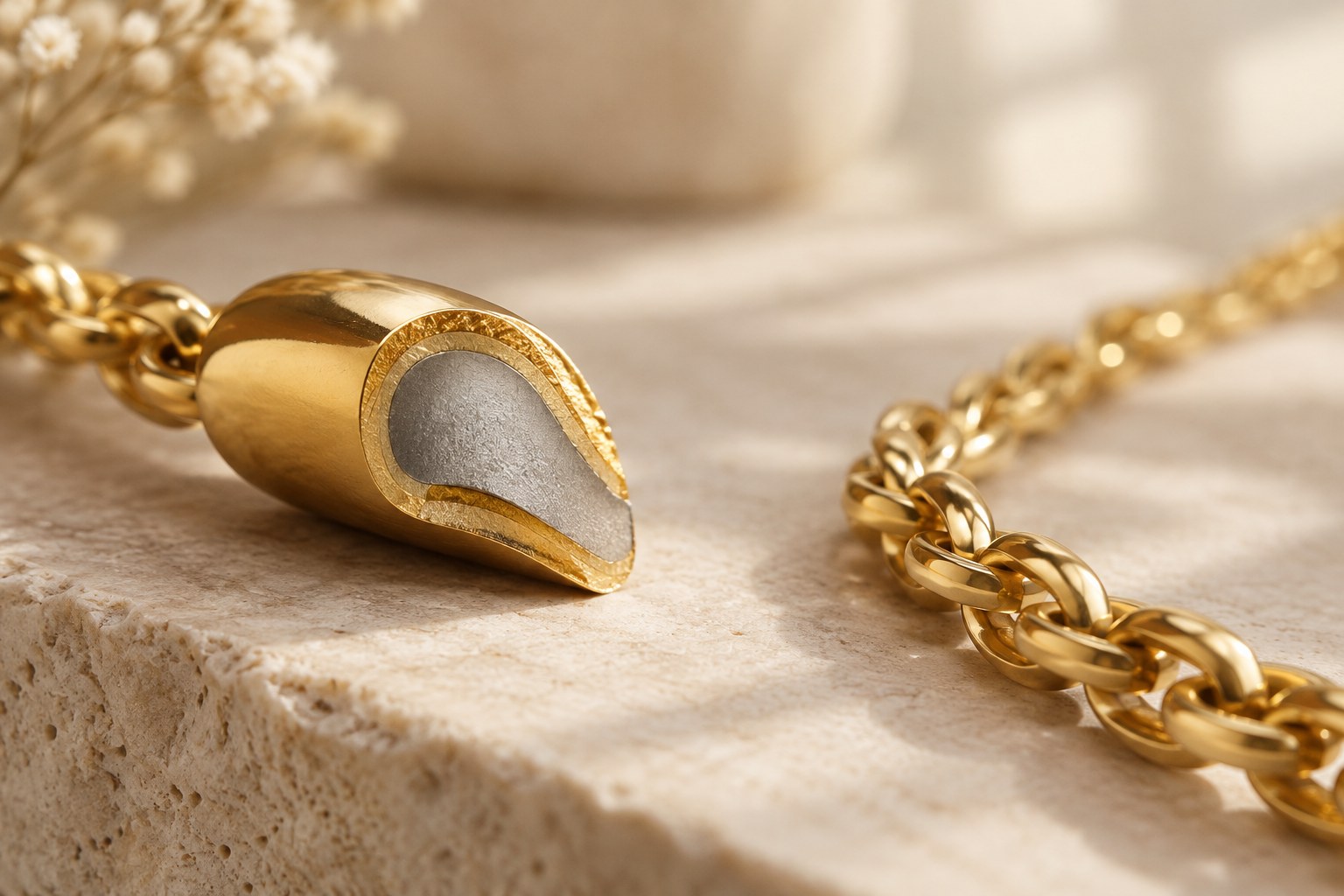
Costume jewellery is built from base metals - brass, copper, zinc alloys - plated with gold or rhodium, and set with glass, crystal, resin or synthetic stones. The design leads; the materials serve. That is not a criticism: costume is where experimentation lives, and some of the most collectable jewellery of the 20th century was costume. But the limits are real - plating wears, alloys can irritate sensitive skin, and repairs are rarely economical. Buy it for joy and style, not for longevity.
AI-generated illustration; not a Shewah product or a scale measurement.
SHEWAH Editorial Concept Illustration (Non-Catalogue)
Semi-fine and bridge: the grey zone
You will also meet "semi-fine" and "bridge" - retail terms sitting between demi-fine and fine, usually meaning sterling silver or light solid gold with genuine stones. Retailers use these labels loosely, and comparison guides from India to Australia define them slightly differently, so the practical rule holds: ignore the label, read the materials list.
How to shop across the categories
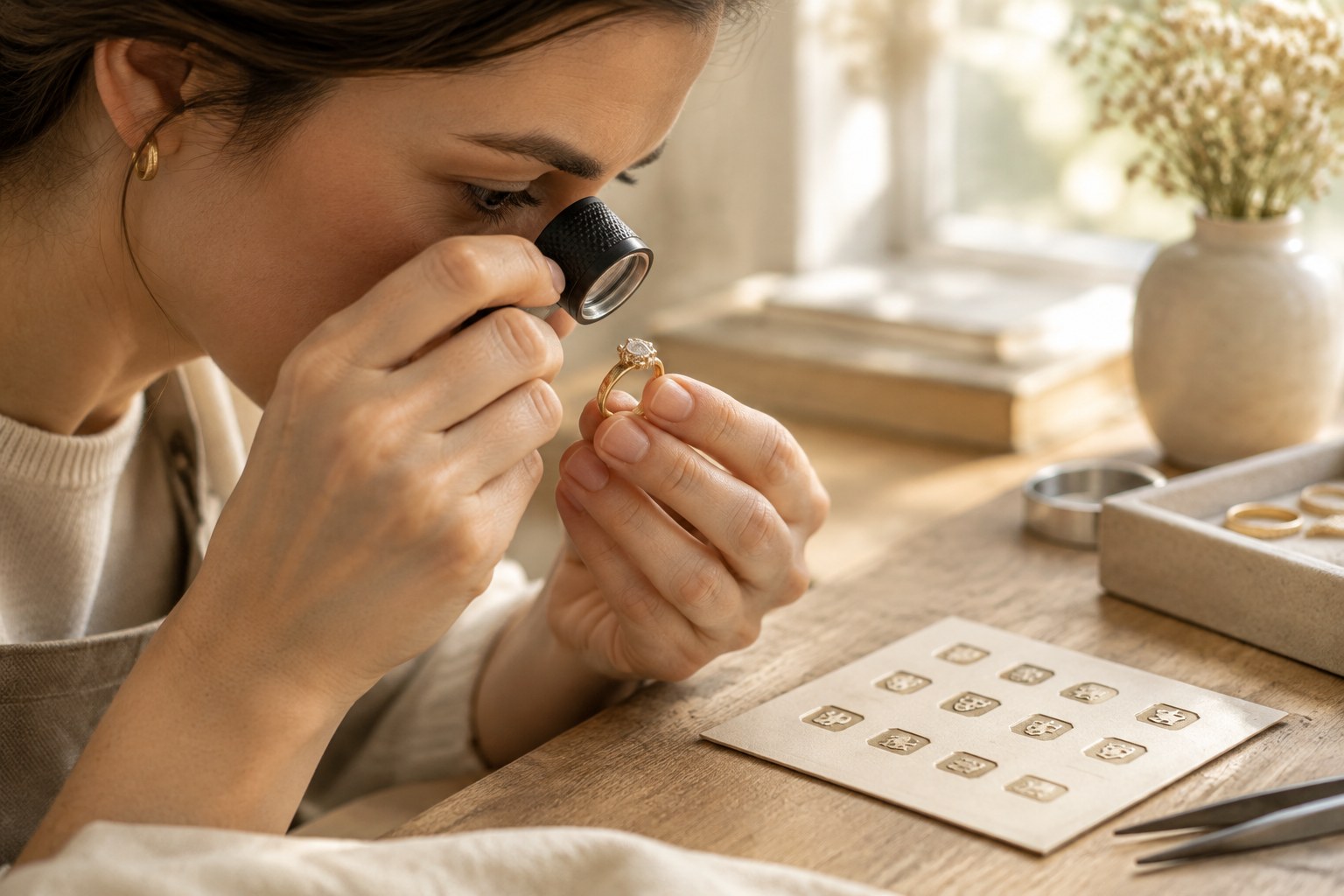
Three questions sort any piece in seconds. What is the metal - solid, filled, vermeil or plated? What are the stones - genuine (natural or lab-grown), synthetic or imitation? And can it be repaired and resized? The answers place the piece accurately regardless of marketing. Match the category to the purpose: costume for a one-season flirtation, demi-fine for trend-adjacent rotation, fine for the pieces that carry meaning and daily wear.
Why lab-grown changed the fine tier
The most significant shift in a generation: certified lab-grown diamonds brought genuine, graded stones within reach of far more buyers, without changing what "fine" means - real diamond, real gold, real craftsmanship. Fine jewellery stopped being a once-a-decade decision and became something you can build deliberately, piece by piece.
Fine, from the first piece, with Shewah
Every Shewah piece is fine jewellery in the strict sense: solid gold, certified lab-grown diamonds, made by Surat craftspeople to be repaired and worn for decades. Explore Shewah's jewellery, or message us on WhatsApp at +91 96622 66360 with any materials question.
AI-generated illustration; not a Shewah product or a scale measurement.
SHEWAH Editorial Concept Illustration (Non-Catalogue)
Sources
The Maison Shewah Atelier Standard
Every creation referenced across our journal essays is made individually to order using solid 18K gold and independently certified diamonds (IGI & GIA). We uphold complete material transparency and zero synthetic plating.
Research & Gemological References
- [1]Demi-Fine vs Fine vs Costume Jewellery: What's the Difference? — Avery Greene (Verified: 2026-10-27)
- [2]Fine Jewellery vs Demi & Semi Fine Comparison Guide — CaratLane (Verified: 2026-10-27)
- [3]What Is The Difference Between Fine Jewellery And Fashion Jewellery? — Timothy Roe (Verified: 2026-10-27)


