Ethical Jewellery: What the Label Really Means and How to Shop It
“A phrase everyone uses and few defines. The concerns behind the label, the certifications with real weight, and the questions to ask before you buy.”
AI-generated illustration; not a Shewah product or a scale measurement.
SHEWAH Editorial Concept Illustration (Non-Catalogue)
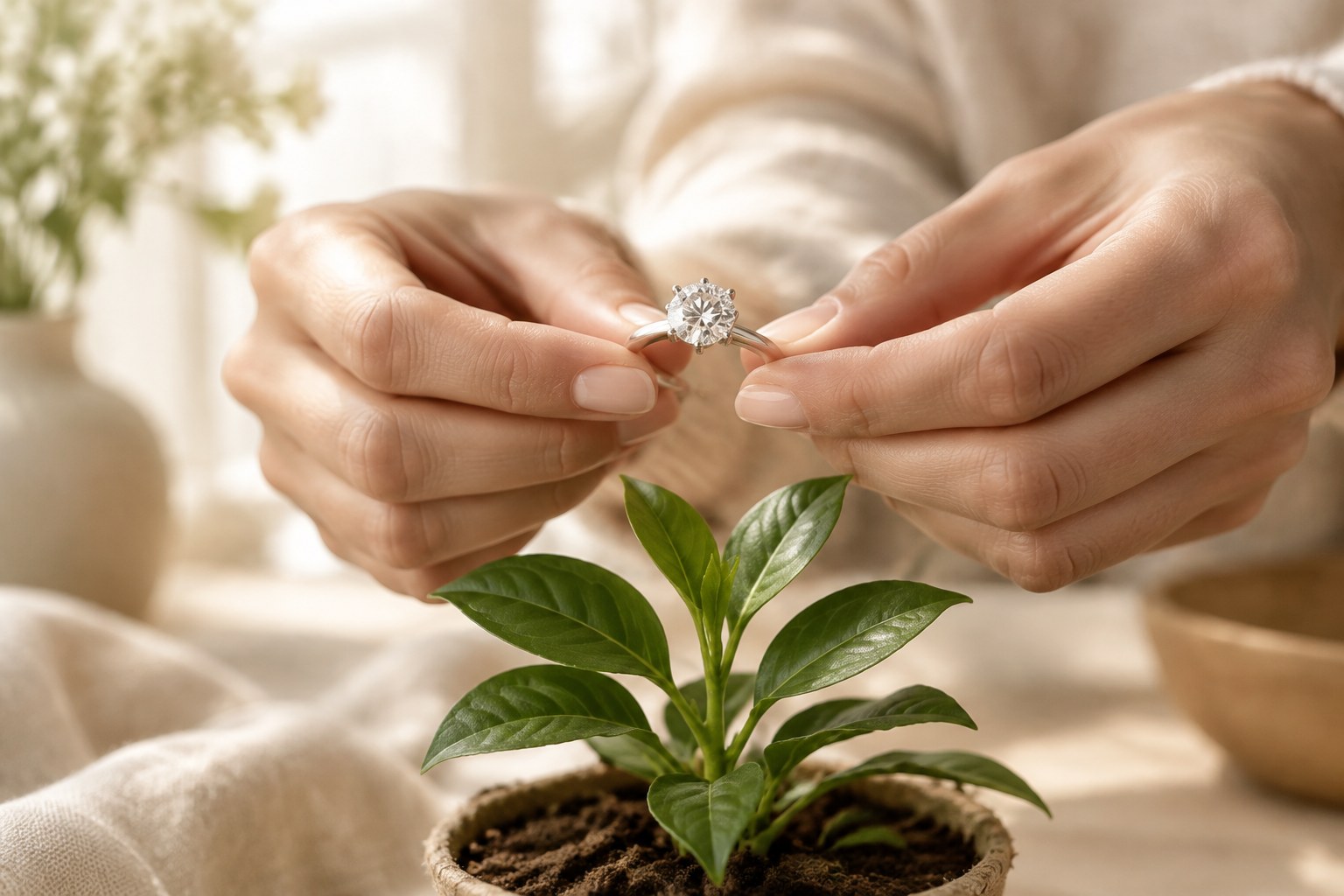
"Ethical jewellery" is a phrase everyone uses and few define. Behind it sit real questions - where did this metal come from, who mined this stone, what was left behind - and a vocabulary that ranges from rigorous certification to pure marketing. Here is how to tell the difference, and what actually matters when you buy.
What "ethical" can mean
The umbrella covers several distinct concerns. Environmental: how land and water are treated at the source, and whether metals are recycled. Social: wages, safety and community impact for the people who mine and make. Provenance: whether you can trace a stone from origin to finger. And animal and ecological welfare, relevant to materials like pearls and coral. A brand can be strong on one axis and silent on the rest, which is why the first skill is noticing which claim is actually being made.
Diamonds: the biggest decision
For diamonds, the ethical conversation has been transformed by technology. Lab-grown diamonds are physically and optically identical to mined stones but require no new mining at all - no open pits, no displaced earth, no conflict supply chains. For mined diamonds, the Kimberley Process addresses conflict stones, though critics and industry bodies alike note its scope is narrow. The clearest modern position is simple: if the sparkle matters more than the geology, lab-grown removes the hardest ethical questions from the purchase entirely.
Metals: recycled is the watchword
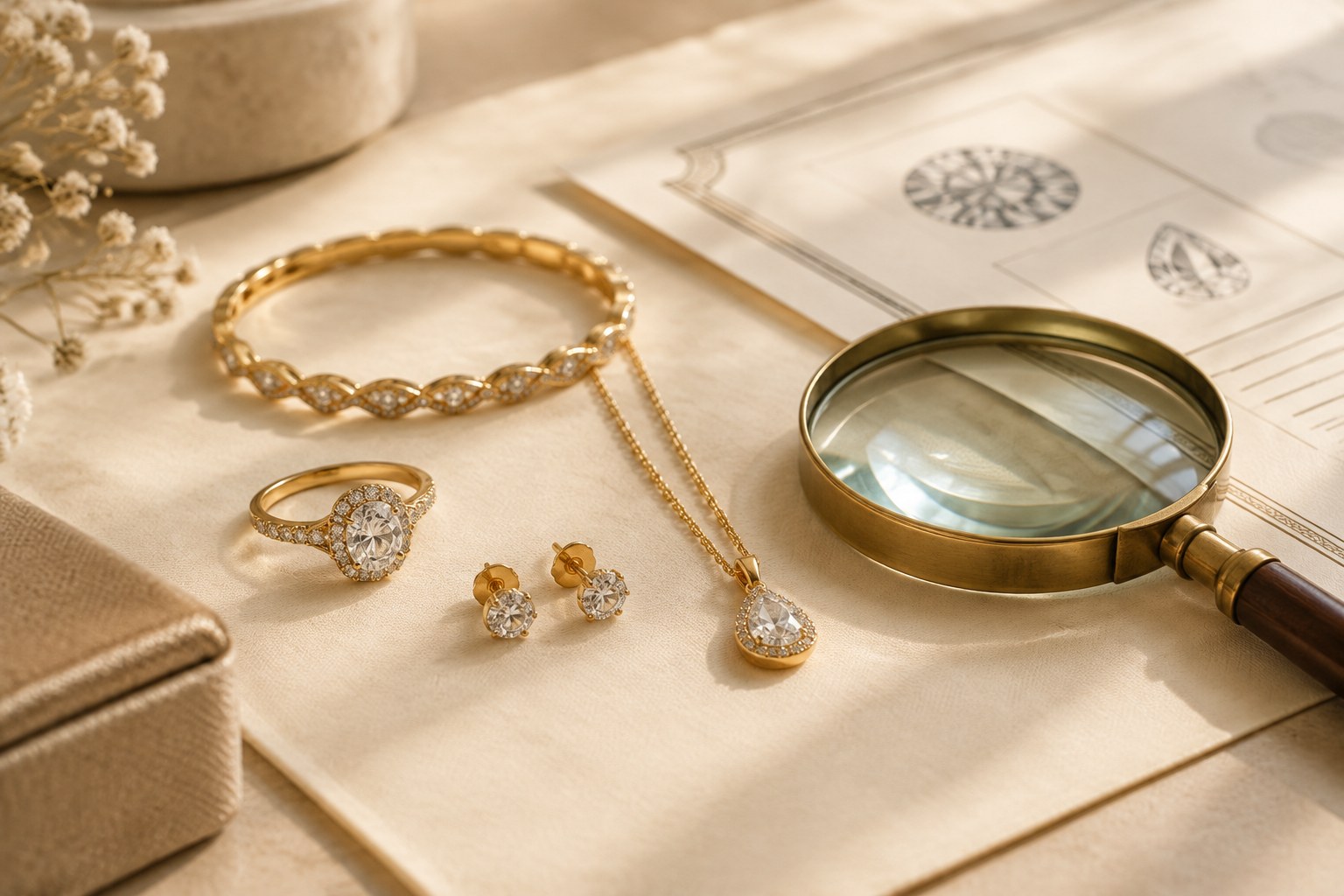
Gold mining carries one of the heaviest environmental footprints in the industry, which is why recycled gold has become the responsible default - the metal is infinitely recyclable with no loss of quality. Look for brands stating a recycled content commitment, or carrying chain-of-custody certification from the Responsible Jewellery Council, whose Code of Practices covers responsible sourcing across the supply chain. Fairmined and Fairtrade gold certifications go further, guaranteeing standards at artisanal mining communities themselves.
AI-generated illustration; not a Shewah product or a scale measurement.
SHEWAH Editorial Concept Illustration (Non-Catalogue)
Certifications worth knowing
Three names carry real weight. The Responsible Jewellery Council certifies companies across the supply chain against audited standards. CIBJO, the World Jewellery Confederation, publishes the industry's responsible sourcing Blue Book - the reference framework behind much of the sector's vocabulary. And for coloured gemstones, where supply chains are long and informal, emerging initiatives focus on traceability from mine to market. A claim backed by an auditable standard means something; a claim backed by an adjective does not.
Reading marketing with clear eyes
Watch for vagueness. "Conscious", "kind" and "green" are moods, not facts. Specifics - named certifications, published sourcing policies, named suppliers, audit participation - are what good looks like. Guides from ethical consumer platforms make the same recommendation: reward brands that publish evidence and treat marketing language as a question to ask, not an answer.
The questions to ask before you buy
Armed with the vocabulary, three questions cut through most product pages: Where do the stones come from, and is that claim certified? Is the metal recycled or certified, and by whom? Will the company show documentation? Straight answers exist for all three at any brand worth your money.
Longevity is an ethic too
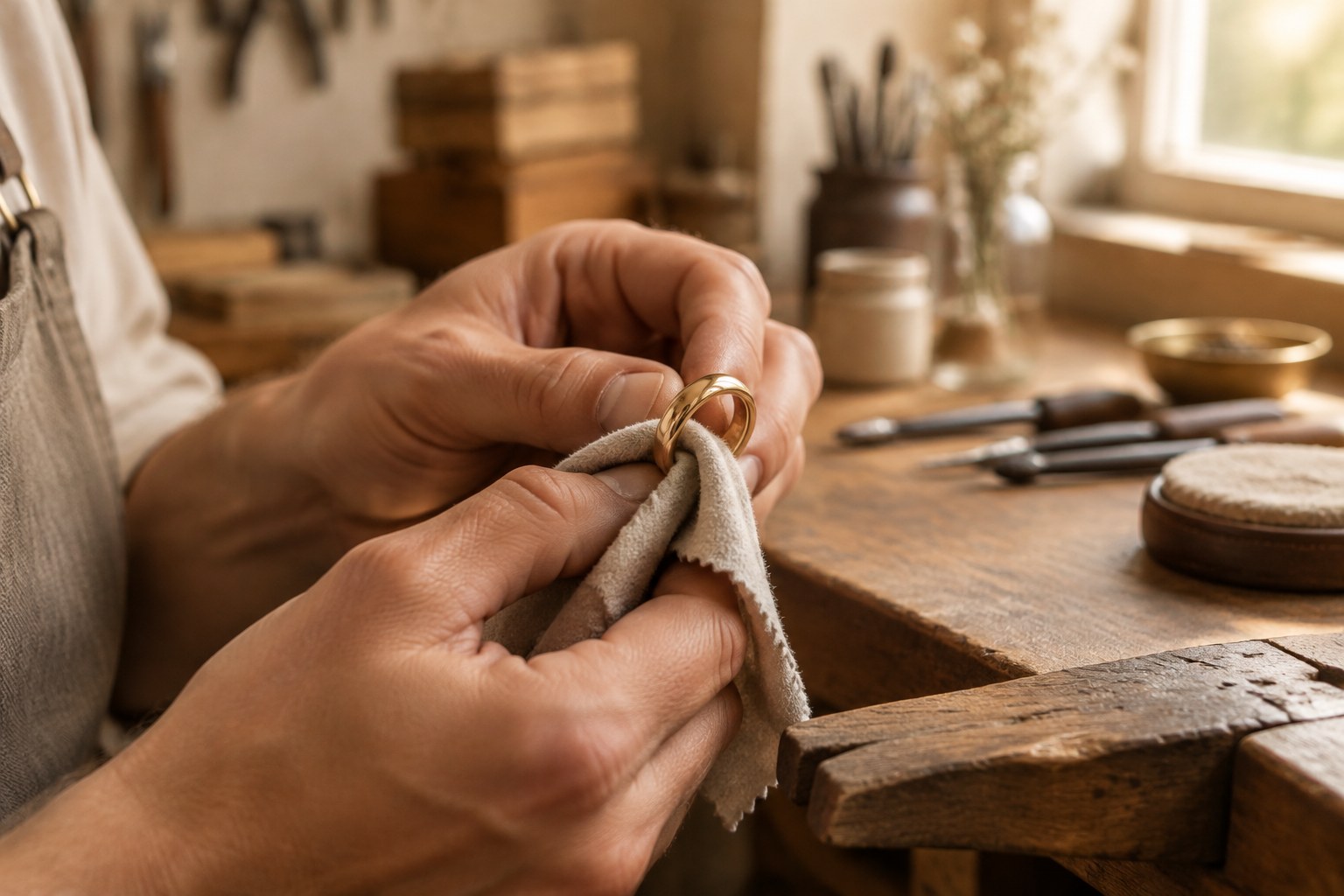
The most sustainable piece of jewellery is the one worn for forty years and passed on. Quality construction, classic design, repairability and honest materials all extend a piece's working life. Buying once and buying well is an ethical choice in itself.
The Shewah answer
Shewah was built on this exact reasoning: certified lab-grown diamonds, no new mining, transparent documentation, made by craftspeople in Surat. Explore Shewah's jewellery, or message us on WhatsApp at +91 96622 66360 - we are glad to show you exactly what stands behind every piece.
AI-generated illustration; not a Shewah product or a scale measurement.
SHEWAH Editorial Concept Illustration (Non-Catalogue)
Sources
- The Ultimate Guide to Ethical and Sustainable Jewellery - Good On You
- FAQs - Responsible Jewellery Council
- Responsible Sourcing Blue Book - CIBJO
The Maison Shewah Atelier Standard
Every creation referenced across our journal essays is made individually to order using solid 18K gold and independently certified diamonds (IGI & GIA). We uphold complete material transparency and zero synthetic plating.
Research & Gemological References
- [1]The Ultimate Guide to Ethical and Sustainable Jewellery — Good On You (Verified: 2026-10-26)
- [2]FAQs — Responsible Jewellery Council (Verified: 2026-10-26)
- [3]Responsible Sourcing Blue Book — CIBJO (Verified: 2026-10-26)


